El Zonte, Bitcoin Beach: What Investors Should Know
El Zonte is a small surf town on El Salvador's Pacific coast that became known worldwide as Bitcoin Beach. This guide explains what that means, how the place developed, what is driving property and rental demand, and, just as importantly, the risks a serious buyer should weigh. It favours what can be stated plainly over what cannot, and flags the difference where it matters.
What is Bitcoin Beach?
Bitcoin Beach is the name given to a community project in El Zonte that, from around 2019, set out to build a working local economy denominated in Bitcoin. It began with a donation from an anonymous benefactor, administered locally to fund community programmes and to circulate Bitcoin among residents and businesses.
The experiment was modest in scale but unusual in ambition: paying wages, settling small purchases, and funding community works in Bitcoin, in a town where many residents had limited access to conventional banking. Its visibility grew as visitors, developers, and journalists arrived to see a circular Bitcoin economy functioning in practice rather than in theory.
Why did El Zonte become globally significant?
El Zonte is widely regarded as a proof of concept that helped shape El Salvador's decision to adopt Bitcoin as legal tender in September 2021. A small beach town became a reference point in a national policy that drew international attention.
The town's association with that policy placed it on a global map far larger than its size would suggest. It has since drawn a steady flow of entrepreneurs, remote workers, and investors interested in both the technology and the lifestyle. It is worth noting that the legal framework around Bitcoin in El Salvador has continued to evolve since 2021, including changes to the terms of its legal tender status, so the policy backdrop is best understood as a moving picture rather than a fixed one.
What infrastructure is developing in the corridor?
El Zonte sits within the stretch of coast that the government has promoted through its Surf City tourism initiative, which has directed investment into roads and coastal infrastructure along the La Libertad shoreline. Improved access has made the corridor more reachable and more attractive to development.
Surf City is a public initiative aimed at positioning the La Libertad coast as an international surf and tourism destination, with associated road and utility works. For a property buyer, the relevant point is direction of travel: better connectivity to San Salvador and the international airport, and a coast that is being actively promoted rather than left to chance. The pace and completeness of individual works should be checked locally rather than assumed.
What is driving tourism and rental demand?
Demand is driven by a combination of surf tourism, a marked improvement in the country's security situation, and El Zonte's global profile. Together these have supported visitor numbers and interest in short term rentals along the coast.
El Salvador's tourism sector has grown meaningfully since 2021, and the coast has been a focus of that growth. A well positioned residence in a supervised compound can serve both as a private home and, when the owner chooses, as a managed rental. The realistic level of rental yield depends on the specific property, its management, seasonality, and the wider market, and should be modelled conservatively rather than assumed from headline growth figures.
What is the surf and lifestyle draw?
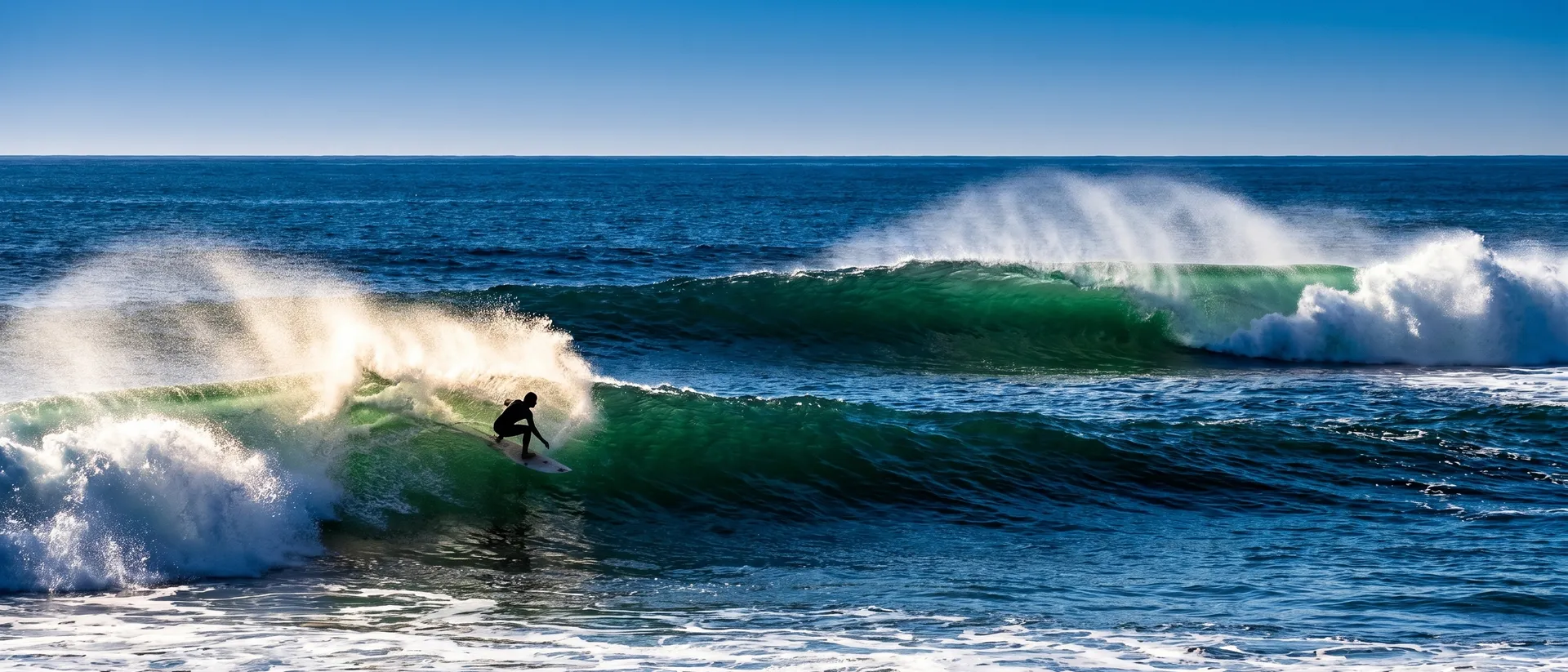
El Zonte is a recognised surf destination with a consistent point break and a relaxed, low rise character that has so far resisted mass resort development. The appeal is a coastline that remains genuinely local rather than manufactured.
For many buyers the lifestyle is the point: warm water year round, an established surf culture, a small international community, and proximity to both the capital and the airport. It is the kind of setting that rewards ownership for use as much as for investment, which tends to support values over time in a way that purely speculative markets do not.
What are the realistic risks?
El Zonte is an emerging market, and it should be approached as one. That means less historical price data, evolving regulation, and liquidity that is thinner than in a mature market, alongside the ordinary risks of coastal property.
- Emerging market volatility. Prices and demand have less history to lean on than in established destinations, and can move in both directions.
- Regulatory evolution. The legal frameworks around digital assets and Bitcoin are young and have already changed. Rules that apply today may be refined.
- Liquidity. Reselling a coastal property in a smaller market can take longer than in a deep, liquid market. Plan for a realistic holding period.
- Execution risk on new build. Off plan and under construction purchases carry delivery risk, which is why milestone based structures and clear documentation matter.
- Concentration. A single market and a single asset is, by definition, undiversified. Size the position accordingly.
None of this is a reason to avoid the market. It is a reason to enter it with clear documentation, independent legal advice, and conservative assumptions. Our guides on buying property in El Salvador and tokenized ownership under the LEAD Law address the mechanics that reduce avoidable risk.
El Alto, above El Zonte
El Alto OceanView Residences is a private residential offering of ten oceanfront villas positioned on the elevation above Playa El Zonte, developed by HCG Investments and available by traditional deed or as a tokenized holding under the LEAD Law. It is presented quietly, to qualified buyers, rather than listed publicly. If the corridor interests you, you are welcome to read more about the project or to request its documentation.